Scientific fieldwork
Scientific fieldwork
Ecological monitoring in Calanques National Park
Ecological monitoring in Calanques National Park
Documenting research without disrupting the science
Documenting research without disrupting the science
2023-2025
2023-2025
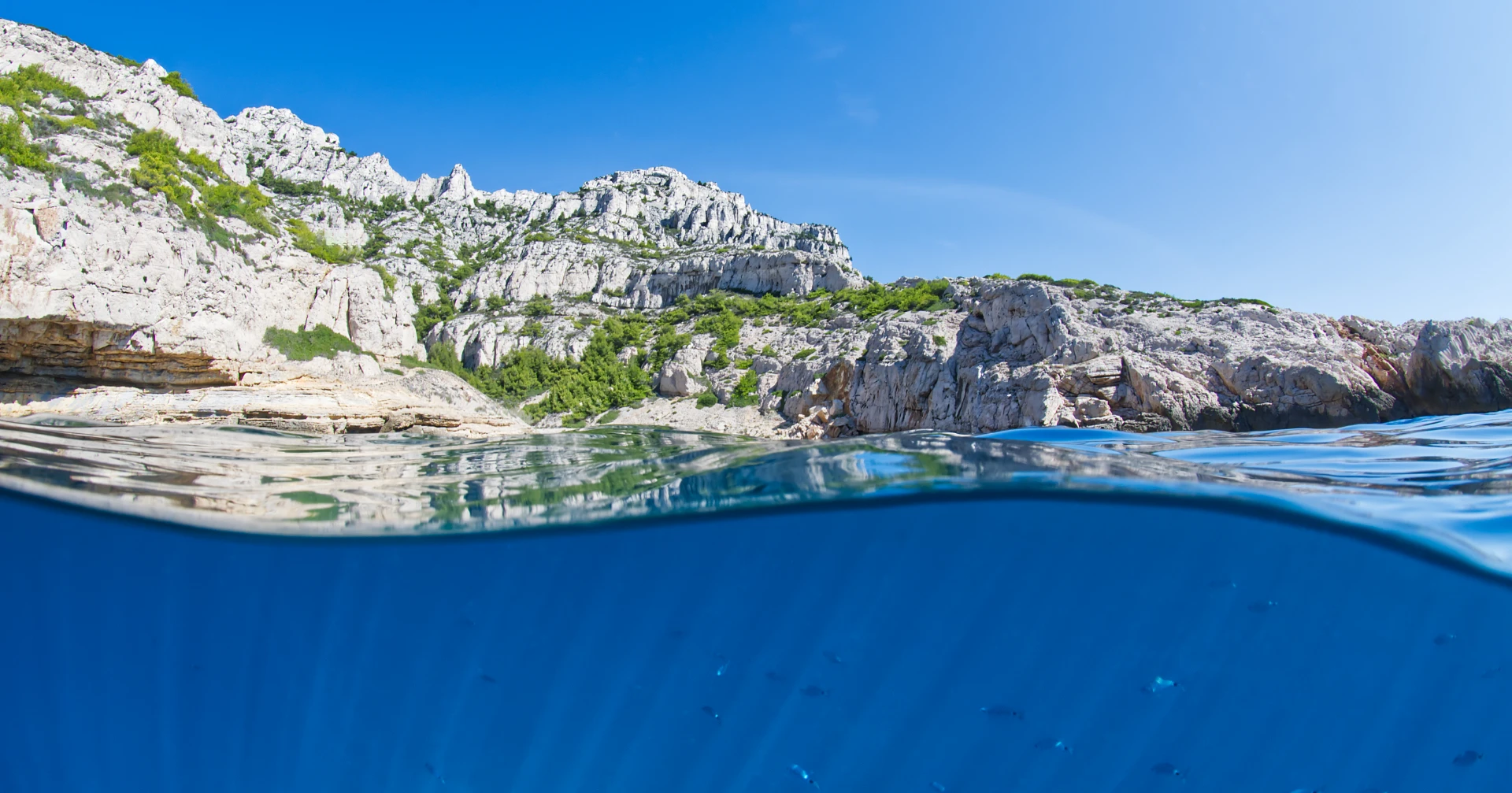
Calanque de Podestat – Calanques National Park, France
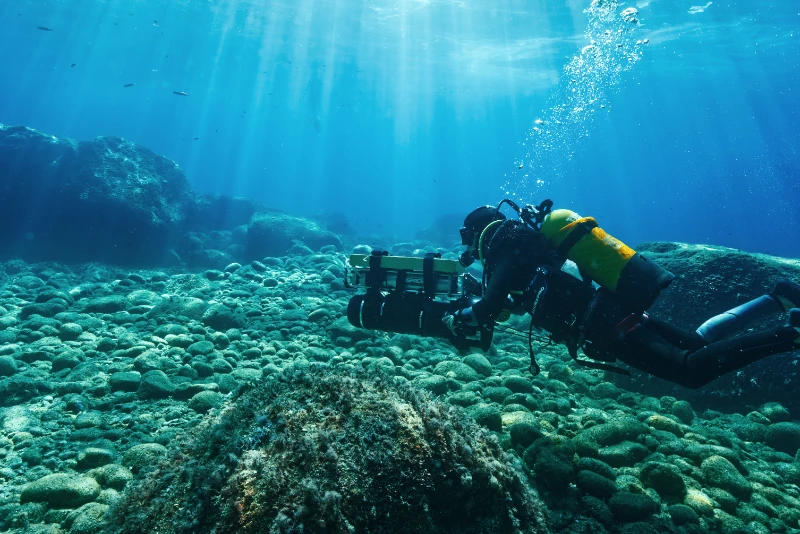
This photograph became the cover image of the mission’s technical report. Taken between two field operations, it illustrates what seamless integration into a scientific team makes possible: documenting the work without ever disrupting it.
PARTNERS
PARTNERS
MY ROLE
MY ROLE
Calanque de Podestat – Calanques National Park, France
This photograph became the cover image of the mission’s technical report. Taken between two field operations, it illustrates what seamless integration into a scientific team makes possible: documenting the work without ever disrupting it.
The challenge
Ecological monitoring campaigns run to tight schedules.
Every dive is dedicated to collecting data, following scientific protocols and ensuring the team’s safety. Researchers rarely have the time to document their work beyond a few snapshots taken along the way.
The challenge was therefore to produce high-quality images without slowing down the fieldwork or interfering with scientific protocols.
My approach
During these missions, I take part in the scientific operations themselves – from ecological monitoring and data collection to surface safety.
Because I already understand the protocols, the species being studied and the realities of working in the field, I can integrate naturally into the team.
Photography finds its place in the spaces between scientific operations – while moving between sites, during a surface interval, or in those few remaining minutes while other researchers continue their work.
Photography in action
Photography in action
The images have been used to :
The images have been used to :
Illustrate technical reports
Illustrate technical reports
Provide content for partners’ social media
Provide content for partners’ social media
Enrich their websites
Enrich their websites
Support scientific presentations and public talks
Support scientific presentations and public talks
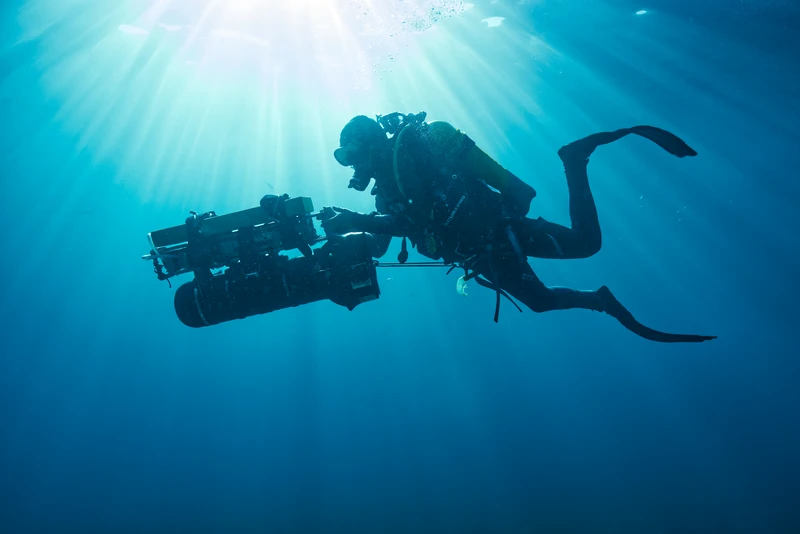
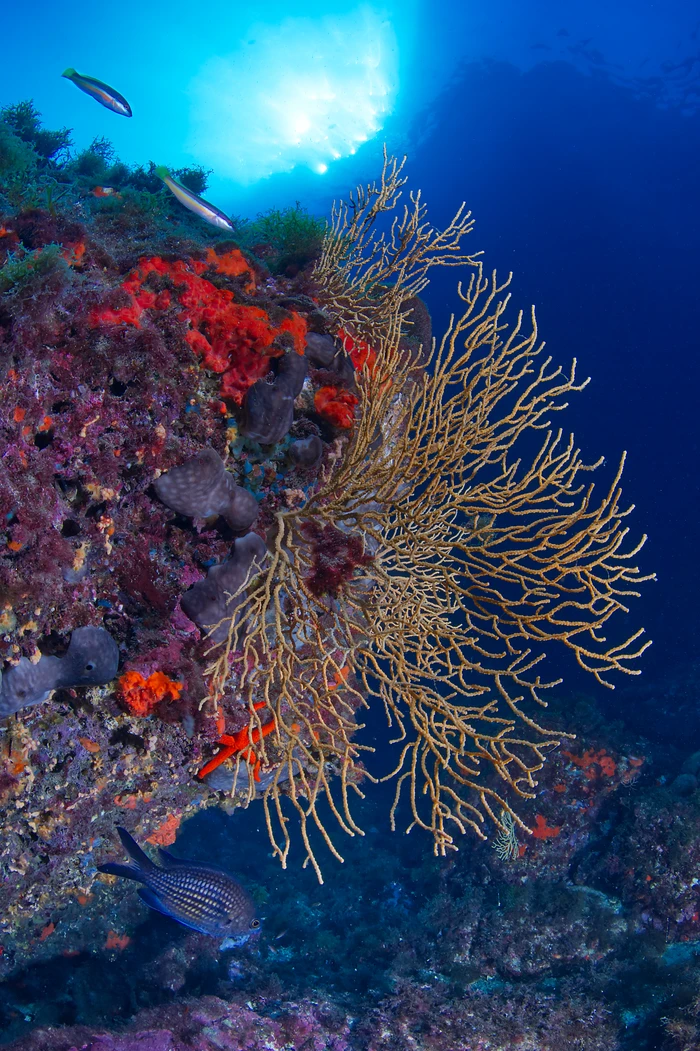
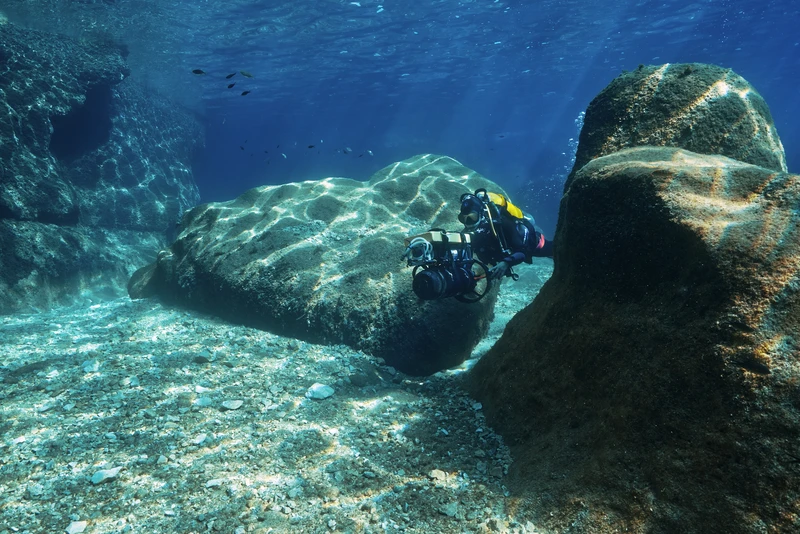
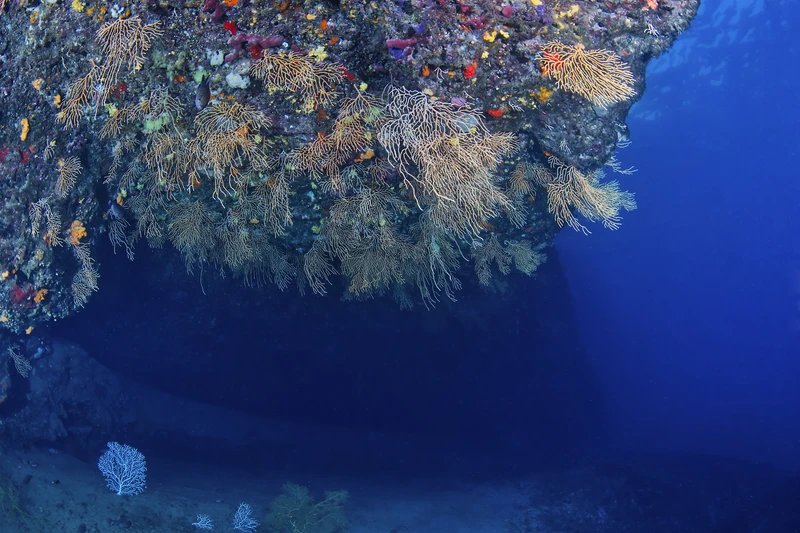
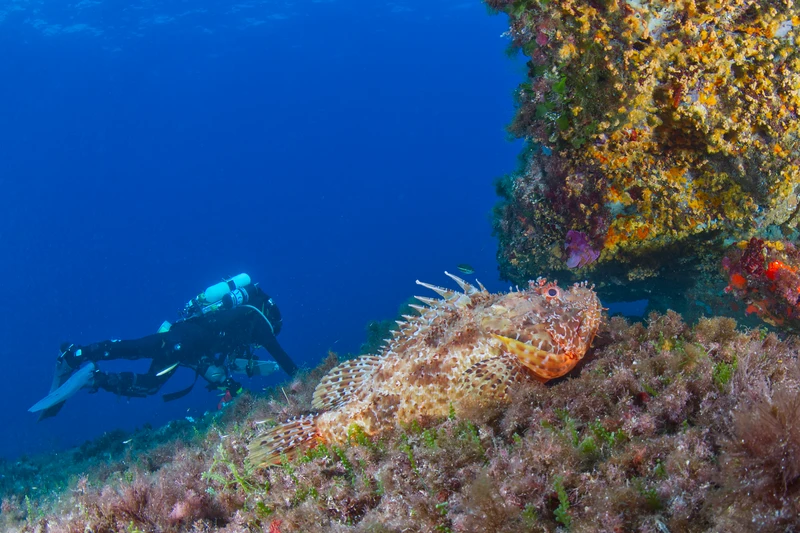
Beyond the ecosystems themselves, the photographs also document the teams, monitoring methods and the reality of conducting scientific research underwater.
Beyond the ecosystems themselves, the photographs also document the teams, monitoring methods and the reality of conducting scientific research underwater.
You focus on the science.
I make sure your work is seen, understood and valued.
You focus on the science.
I make sure your work is seen, understood and valued.
LET’S WORK TOGETHER
LET’S WORK TOGETHER
Planning fieldwork ?
Planning fieldwork ?
Let’s discuss your mission and how I can document it without disrupting your team’s work.
Let’s discuss your mission and how I can document it without disrupting your team’s work.