Why I chose to tell
science differently.
Why I chose to tell science differently.
For years, I studied marine ecosystems as a researcher.
Today, I help research and conservation projects tell their stories through science-based visual storytelling.
For years, I studied marine ecosystems as a researcher.
Today, I help research and conservation projects tell their stories through science-based visual storytelling.
IN BRIEF
IN BRIEF
From research
to storytelling.
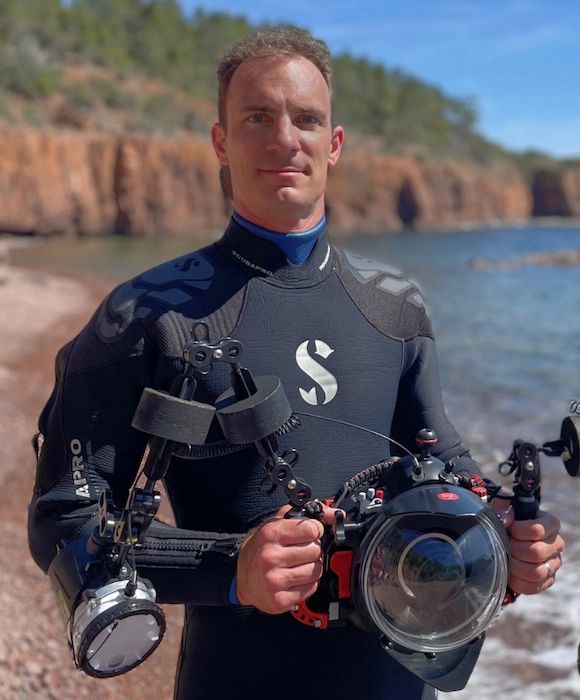
From coral reefs and mangrove forests to seagrass meadows and kelp forests, I’ve worked across some of the world’s most fascinating – and most vulnerable – marine ecosystems, from Europe and the Caribbean to the Indian and Pacific Oceans.
Like many researchers, I’ve spent years collecting data, analysing results, writing technical reports and publishing scientific papers.
Over time, however, I realised that producing knowledge was only part of the job. If research is to drive change, it must also be accessible, understandable and relevant to the people who can act on it.
From research to storytelling.
From coral reefs and mangrove forests to seagrass meadows and kelp forests, I’ve worked across some of the world’s most fascinating – and most vulnerable – marine ecosystems, from Europe and the Caribbean to the Indian and Pacific Oceans.
Like many researchers, I’ve spent years collecting data, analysing results, writing technical reports and publishing scientific papers.
Over time, however, I realised that producing knowledge was only part of the job. If research is to drive change, it must also be accessible, understandable and relevant to the people who can act on it.
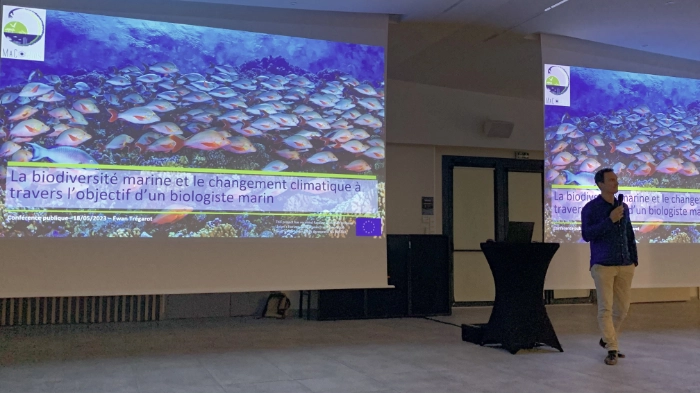
18 may 2023 – Public talk on Les Embiez Island.
The day I realised that photography could become a powerful tool for conservation.
© Cindy Cornet
A turning point
Everything changed in 2023, during a public talk on Les Embiez Island.
For the first time, I wasn’t simply presenting scientific results. Instead, I was telling stories through photographs, field experiences and memorable encounters beneath the surface.
Watching the audience respond – and experiencing the emotion of sharing those stories myself – I realised that photography could do far more than illustrate scientific research.
It could become a powerful tool for conservation.
A turning point
18 may 2023 – Public talk on Les Embiez Island.
The day I realised that photography could become a powerful tool for conservation.
© Cindy Cornet
Everything changed in 2023, during a public talk on Les Embiez Island.
For the first time, I wasn’t simply presenting scientific results. Instead, I was telling stories through photographs, field experiences and memorable encounters beneath the surface.
Watching the audience respond – and experiencing the emotion of sharing those stories myself – I realised that photography could do far more than illustrate scientific research.
It could become a powerful tool for conservation.
What I want
to tell
For many years, I photographed the ocean to inspire a sense of wonder.
Today, I also photograph it to inspire people to protect it.
Spectacular seascapes and unforgettable wildlife encounters still fascinate me, but they tell only part of the story.
I’m equally interested in documenting the pressures facing marine ecosystems, the scientists working to understand them, the communities that depend on them, and the people dedicating their lives to protecting them.
The bigger
picture
A coral reef, a mangrove forest or a seagrass meadow cannot be understood in isolation.
They are inseparable from the people who depend on them, manage them and seek to protect them.
Marine conservation is never only about ecology. It is also about people, livelihoods, culture, economics and policy.
That broader perspective shapes both the way I see the ocean and the stories I choose to tell.
What I want to tell
For many years, I photographed the ocean to inspire a sense of wonder.
Today, I also photograph it to inspire people to protect it.
Spectacular seascapes and unforgettable wildlife encounters still fascinate me, but they tell only part of the story.
I’m equally interested in documenting the pressures facing marine ecosystems, the scientists working to understand them, the communities that depend on them, and the people dedicating their lives to protecting them.
The bigger picture
A coral reef, a mangrove forest or a seagrass meadow cannot be understood in isolation.
They are inseparable from the people who depend on them, manage them and seek to protect them.
Marine conservation is never only about ecology. It is also about people, livelihoods, culture, economics and policy.
That broader perspective shapes both the way I see the ocean and the stories I choose to tell.
A unique combination of cxpertise
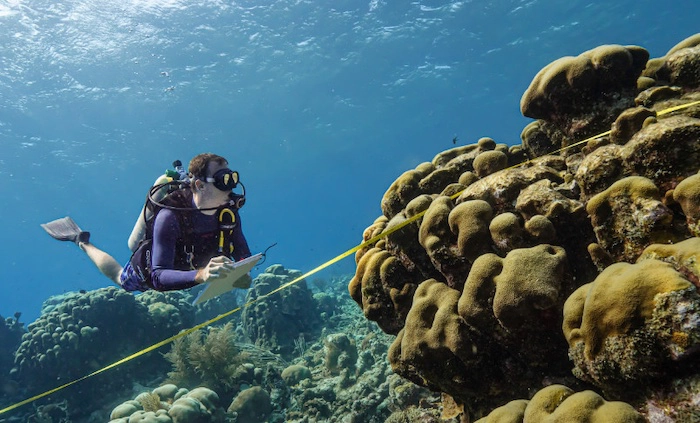
My background in marine ecology allows me to understand the complexity of the ecosystems I photograph before translating them into visual stories that are scientifically accurate, accessible and engaging.
Today, I use photography and storytelling to help connect science, conservation and society.
A unique combination of cxpertise
My background in marine ecology allows me to understand the complexity of the ecosystems I photograph before translating them into visual stories that are scientifically accurate, accessible and engaging.
Today, I use photography and storytelling to help connect science, conservation and society.
My role
I work alongside research teams, scientific expeditions and conservation initiatives to create images that document ecosystems, showcase their work and connect their projects with the people who can support them – decision-makers, partners, local communities and the wider public.
My aim is simple: to help important projects be better understood, and ultimately, create greater impact.
In the field
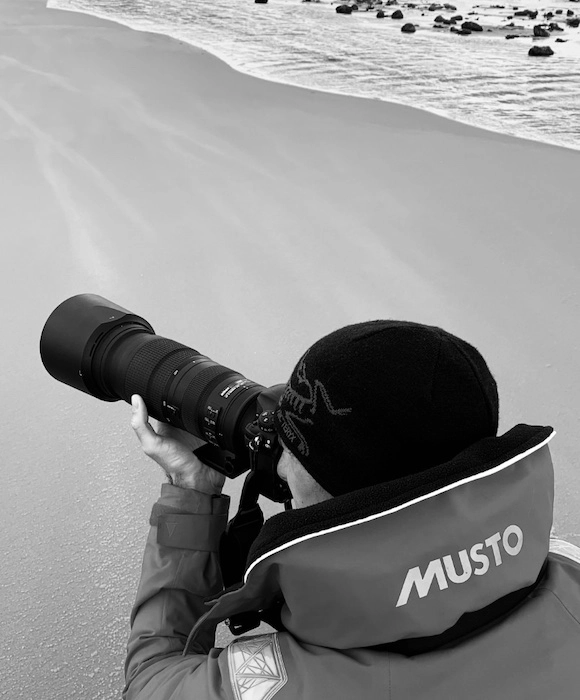
Having taken part in numerous research projects and scientific expeditions, I understand the realities of fieldwork, research protocols and the operational constraints faced by scientific teams.
I integrate naturally into expeditions as part of the team, with one objective: to document each mission accurately, discreetly and authentically.
Choosing the right medium
Photography is currently my primary medium, but it is never the end goal.
Every story deserves the medium that will best reach its audience, whether that’s photography, an exhibition, an illustrated story, a graphic novel, editorial content or film.
What matters most isn’t the format itself, but its ability to connect science with the people who can make a difference.
If my images can help – even in a small way – to reconnect people with the ocean, raise awareness of the challenges it faces, and encourage decisions that contribute to its protection, then they will have fulfilled their purpose.
If my images can help – even in a small way – to reconnect people with the ocean, raise awareness of the challenges it faces, and encourage decisions that contribute to its protection, then they will have fulfilled their purpose.
THE STORY CONTINUES
THE STORY CONTINUES
Explore some of the projects that have shaped this journey :
Explore some of the projects that have shaped this journey :
Scientific collaborations, field missions, expeditions and conservation storytelling.
Scientific collaborations, field missions, expeditions and conservation storytelling.