Building a story
Building a story
When photographs become a story.
When photographs become a story.
The turning point
For a long time, my photographs were shaped by whatever encounters happened beneath the surface.
Then I asked myself a simple question :
What if I built the story before I even entered the water?
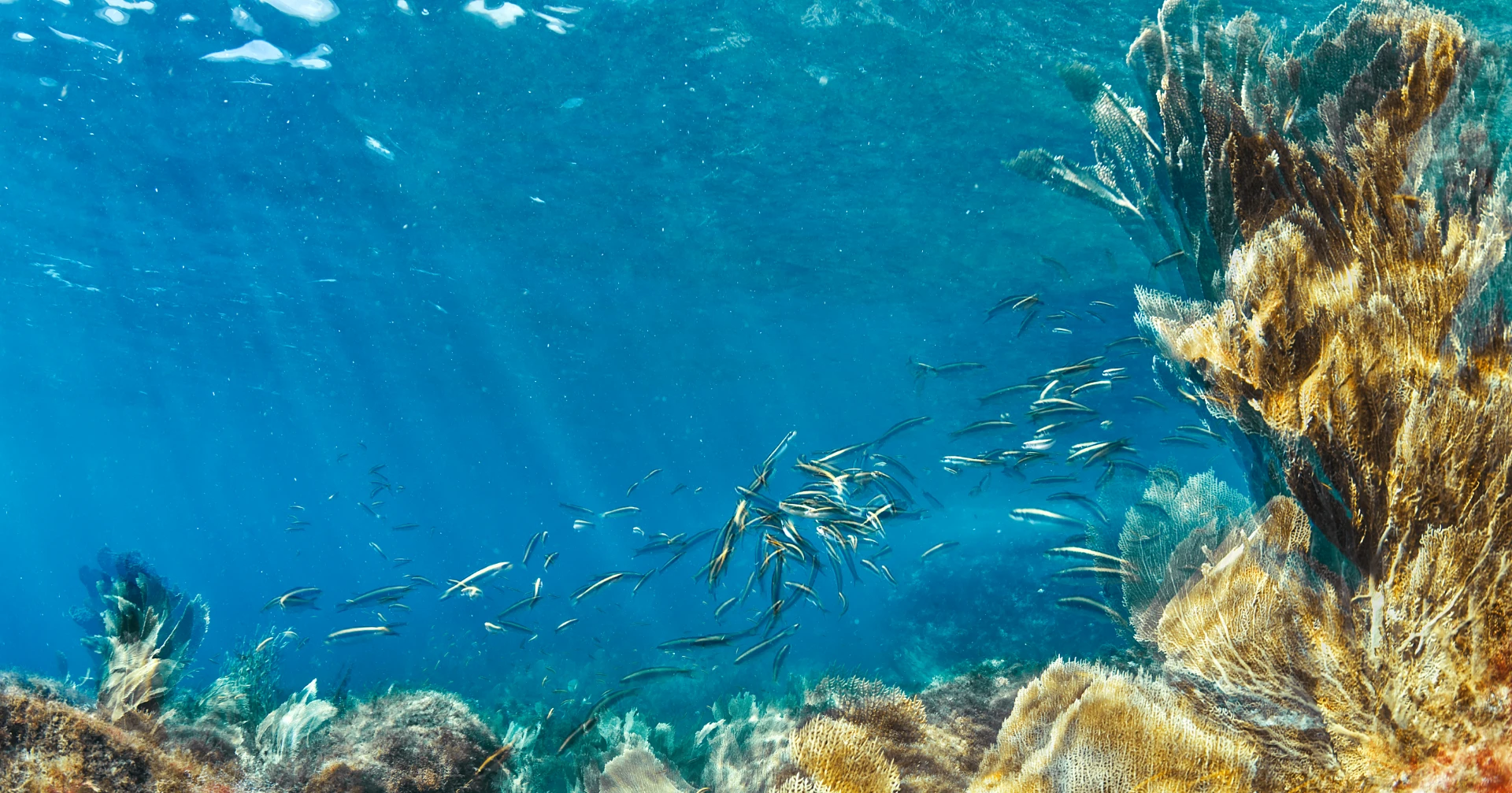
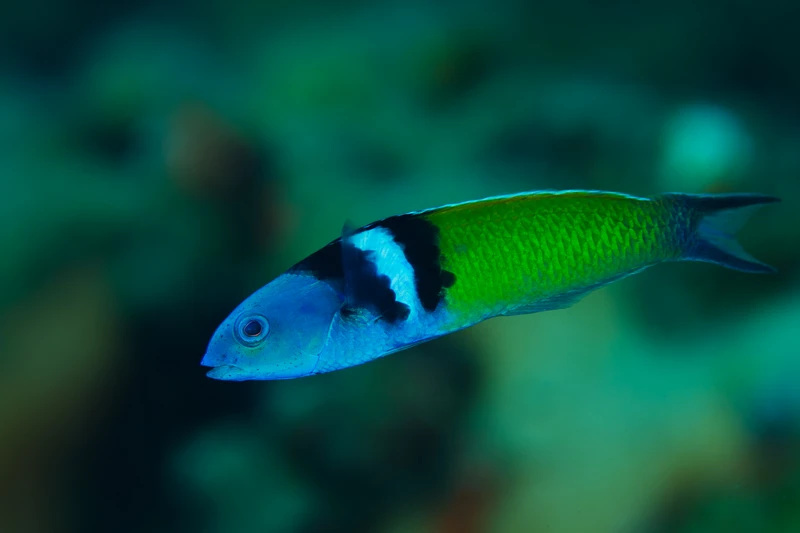
The bluehead wrasse became my first true visual storytelling project.
The turning point
For a long time, my photographs were shaped by whatever encounters happened beneath the surface.
Then I asked myself a simple question :
What if I built the story before I even entered the water?
The bluehead wrasse became my first true visual storytelling project.
Why this species ?
Like many common species, the bluehead wrasse often goes unnoticed.
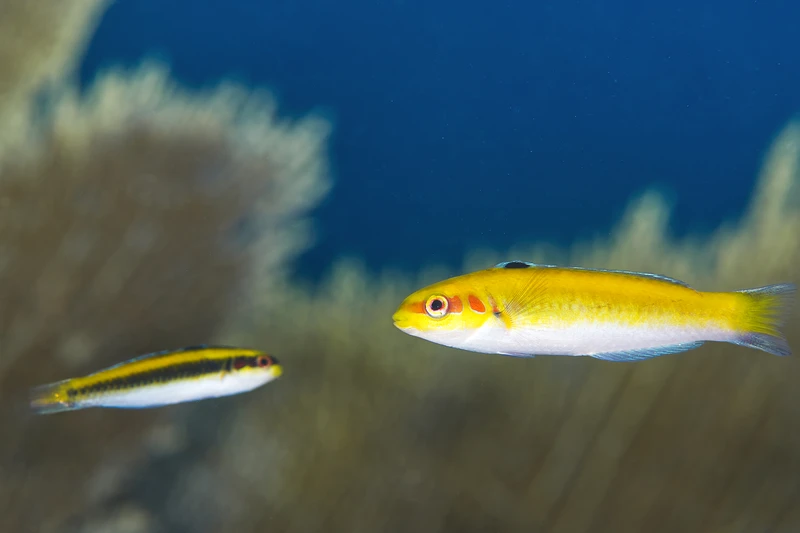
Yet take the time to observe it and a fascinating story begins to unfold : sex change, reproduction, and constant interactions with other species…
I wanted to show that you don’t need to photograph a rare species to tell a compelling story.
Building the narrative
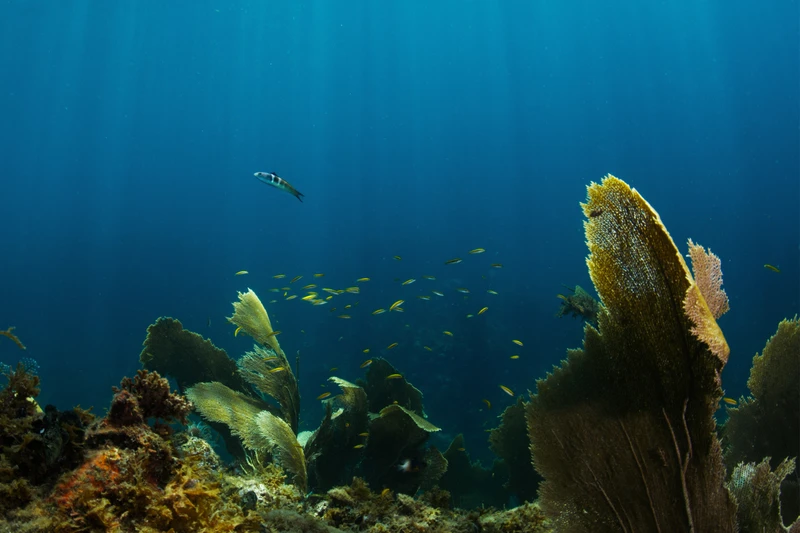
Before heading into the field, I had already imagined the story as a whole.
Each image had a purpose:
- the behaviours I wanted to capture;
- the interactions;
- the focal lengths;
- the techniques;
- the emotions I wanted to convey.
Not every photograph could be anticipated.
But each already had a place within the narrative.
In the field
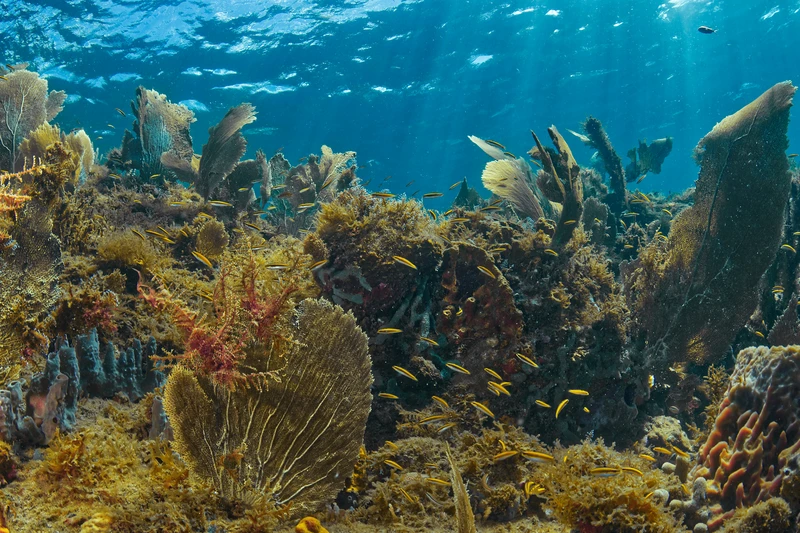
Over two days, I spent more time observing than photographing.
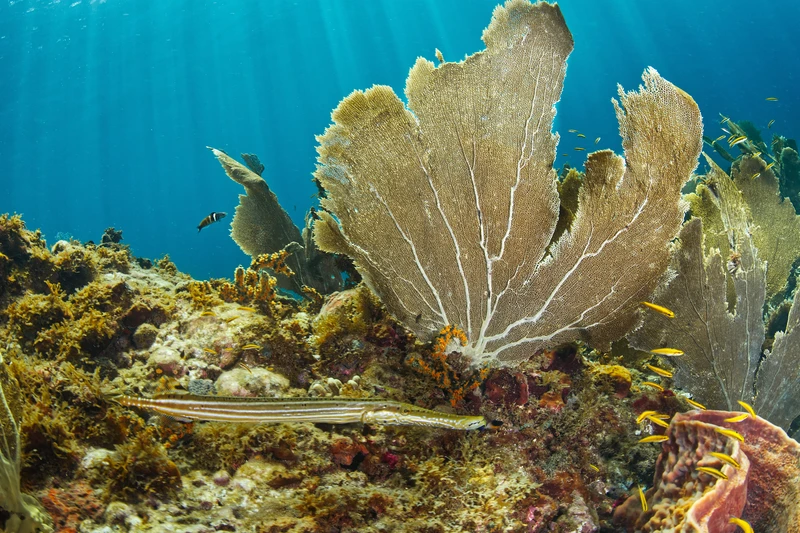
As the hours passed, new behaviours and interactions began to emerge:
- bluehead wrasses alongside a hunting trumpetfish;
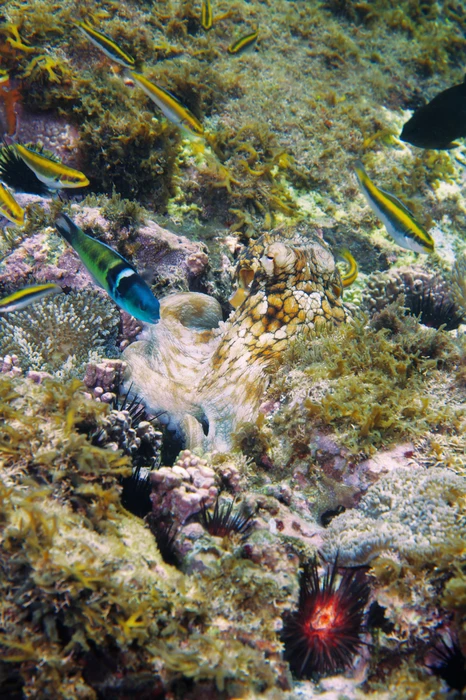
- bluehead wrasses following an octopus;
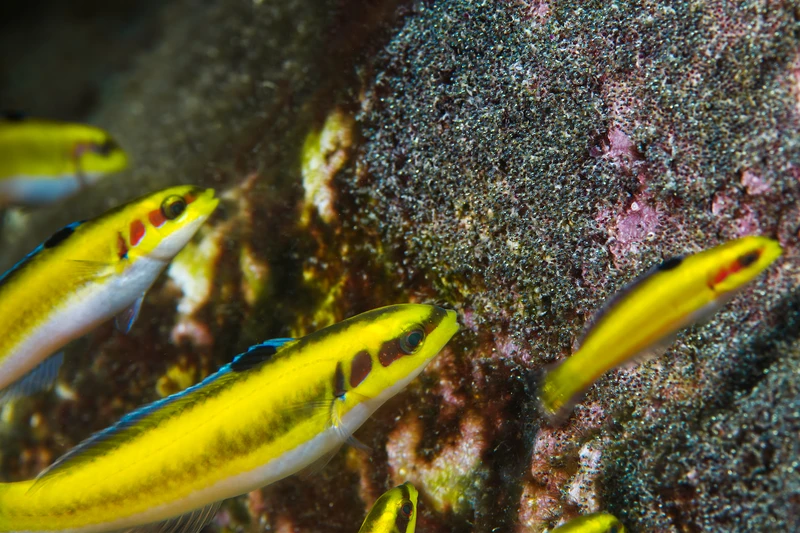
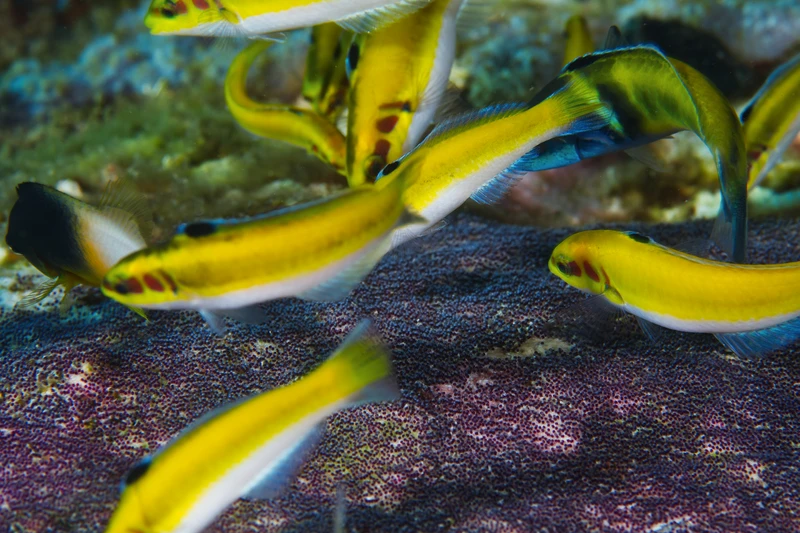
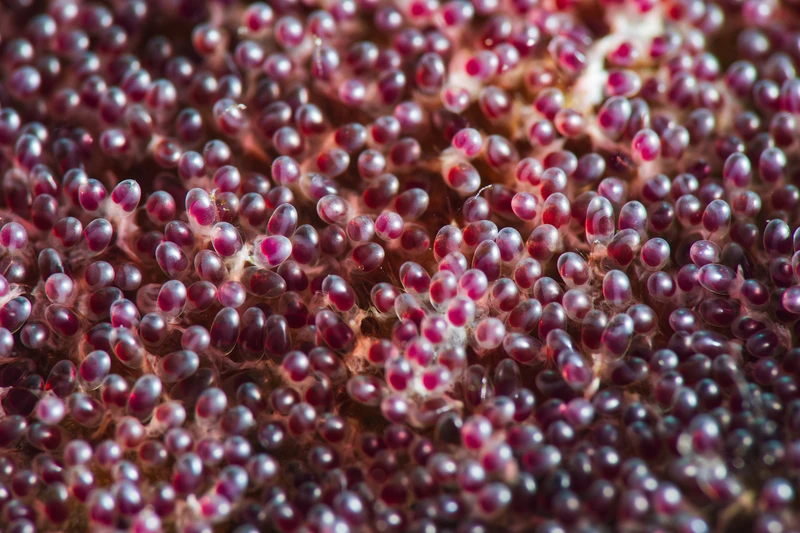
- bluehead wrasses feeding on sergeant major eggs.
Each interaction added another layer to the story.
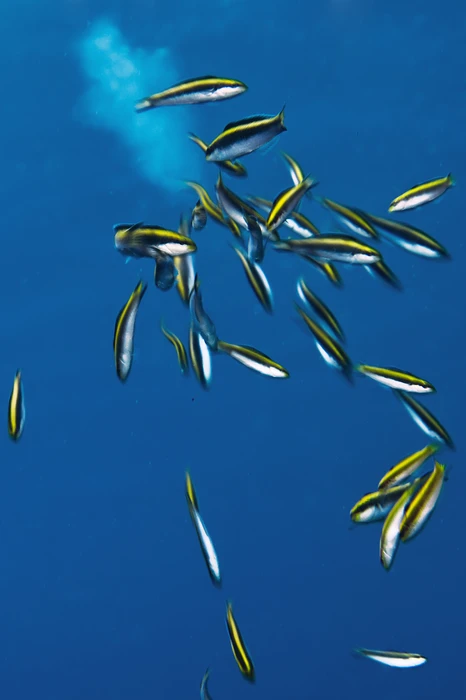
This photograph is probably not the most technically perfect. But it remains the one I am most proud of.
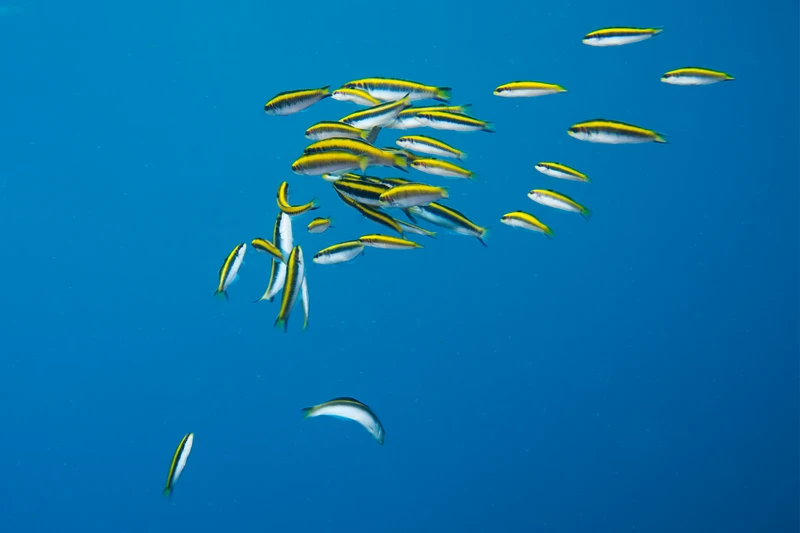
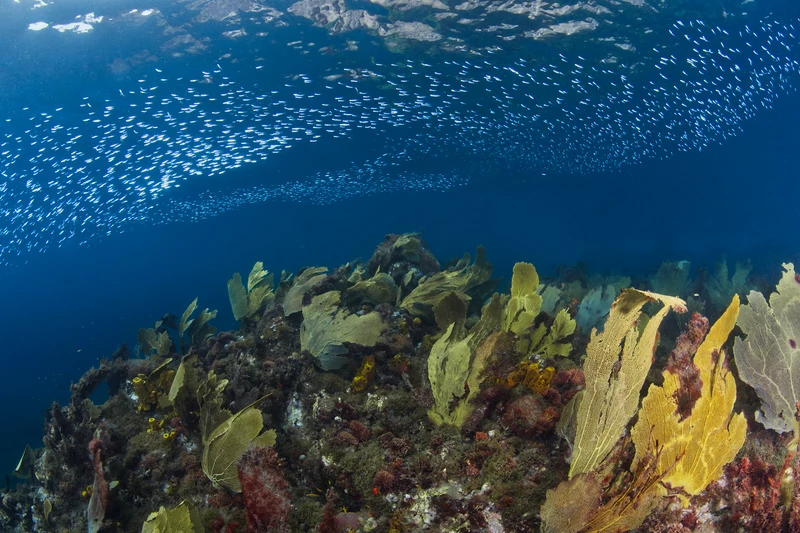
To document the spawning behaviour of the bluehead wrasse, it took nearly 200 freedives.
I knew that spawning took place around midday. The challenge was therefore not simply to witness it, but to be in exactly the right place at the right moment. In a fraction of a second, the wrasses rise into the water column, release their gametes, and the moment is over almost as soon as it begins. From the surface, I would often watch them spawn… just seconds after I had come up for air.
It was only when I reviewed the photographs on my computer that I noticed the faint cloud of gametes suspended in the blue.
This photograph captures exactly what I love about behavioural photography: observation, patience… and an element of the unexpected.
LET’S WORK TOGETHER
LET’S WORK TOGETHER
Have a story to tell ?
Have a story to tell ?
Whether you want to document scientific fieldwork, showcase a conservation project or build a visual narrative, let’s talk about your project.
Whether you want to document scientific fieldwork, showcase a conservation project or build a visual narrative, let’s talk about your project.